Our work
Products we designed and built
Software we designed and built end-to-end. Open one for details.
ZappEvents Built by funDesk A full event ticketing platform — with its own AI marketing engine. www.zappevents.com
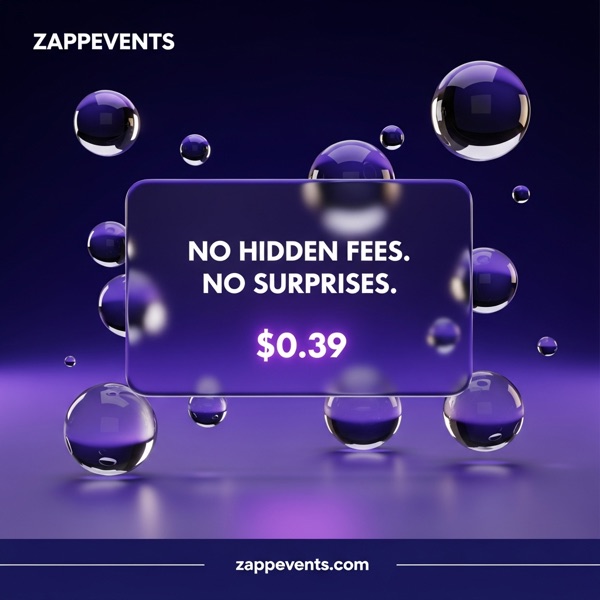
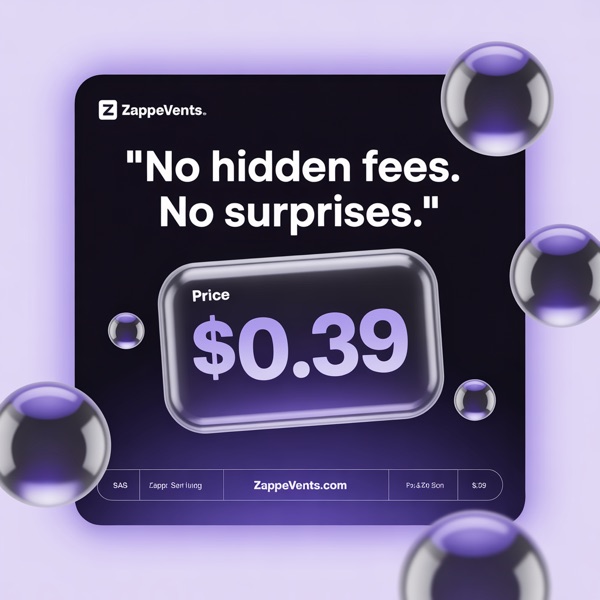
What it does. A complete event ticketing product — organisers create events, sell tickets, and get paid at a flat $0.39 per ticket, not the 5%+ big platforms charge.
The problem it solves. Organisers were bleeding thousands to percentage fees and juggling separate tools for ticketing and marketing. ZappEvents replaces both — one flat-fee platform that markets itself.
Highlights
The build. We designed and built it end-to-end — product, payments, and the marketing automation behind it. The social pipeline alone makes 70 content variations on rotation and posts to three channels with one click.
Visit www.zappevents.com ZAPPEVENTS
Pipeline Dashboard
ZAPPEVENTS
Pipeline Dashboard
AI candidates — pick the best
 ✓
✓
LocalNinja Built by funDesk Manage and grow your Google Business Profile, the simple way. www.localninja.io
What it does. LocalNinja gives a local business one simple place to manage and grow its Google Business Profile — the listing that decides whether they show up when someone nearby searches. It scores your whole local presence, shows exactly what to fix, and keeps you on the right side of Google.
The problem it solves. For a local shop, the Google Business Profile is the storefront — but it's scattered and easy to get wrong. Owners don't know why they aren't ranking, which reviews still need a reply, or that one careless edit can get the whole listing suspended. LocalNinja turns all of it into a single score and a short to-do list.
Highlights
The build. We designed and built LocalNinja end-to-end — Google Business Profile sync, the presence-scoring engine, ranking and review tracking, suspension-risk auditing, and PDF reports — a product local businesses use to run their listings.
Visit www.localninja.io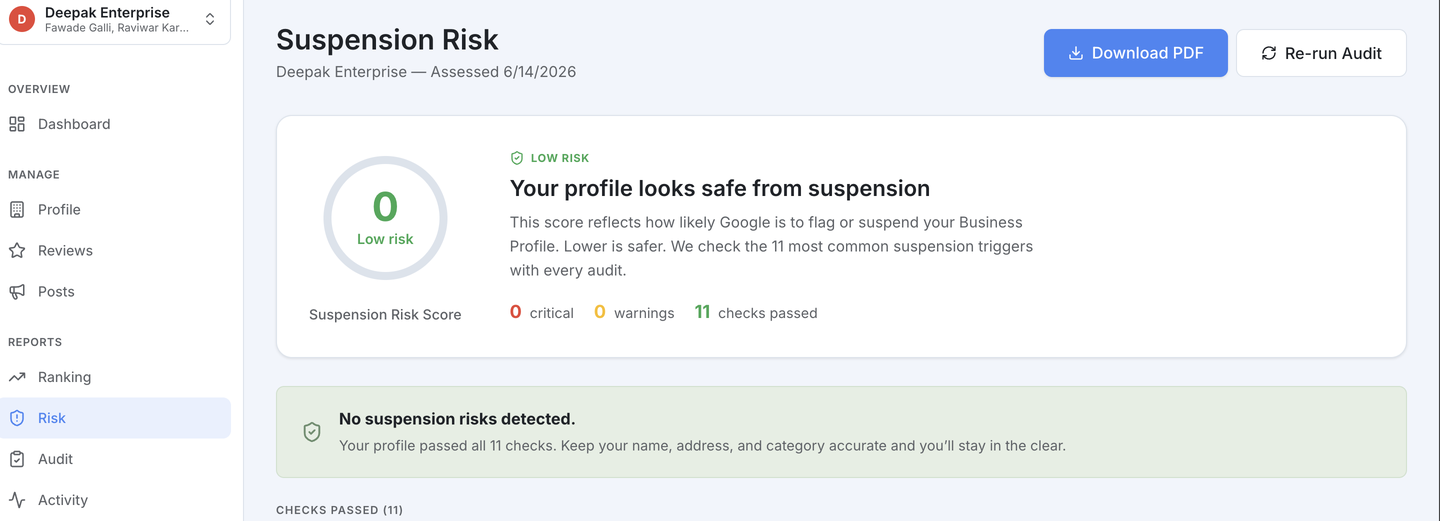
OrderSheet Product we built Order management SaaS for small businesses.
What it does. OrderSheet gives a small business one clean link to collect orders — and a simple, spreadsheet-style dashboard to track every one of them, from new to done. Customers place an order through a 30-second public form: no app, no login, no friction.
The problem it solves. Bakers, makers, and small shops were losing orders in their Instagram DMs, WhatsApp threads, and scattered notes. OrderSheet replaces that chaos with one shareable link and a dashboard that works the way they already think — like a spreadsheet.
Highlights
The build. We designed and built OrderSheet end-to-end — the public ordering flow, the owner dashboard, instant new-order alerts, and Stripe-powered Free and Pro plans — on a modern React, tRPC, and MySQL stack.